
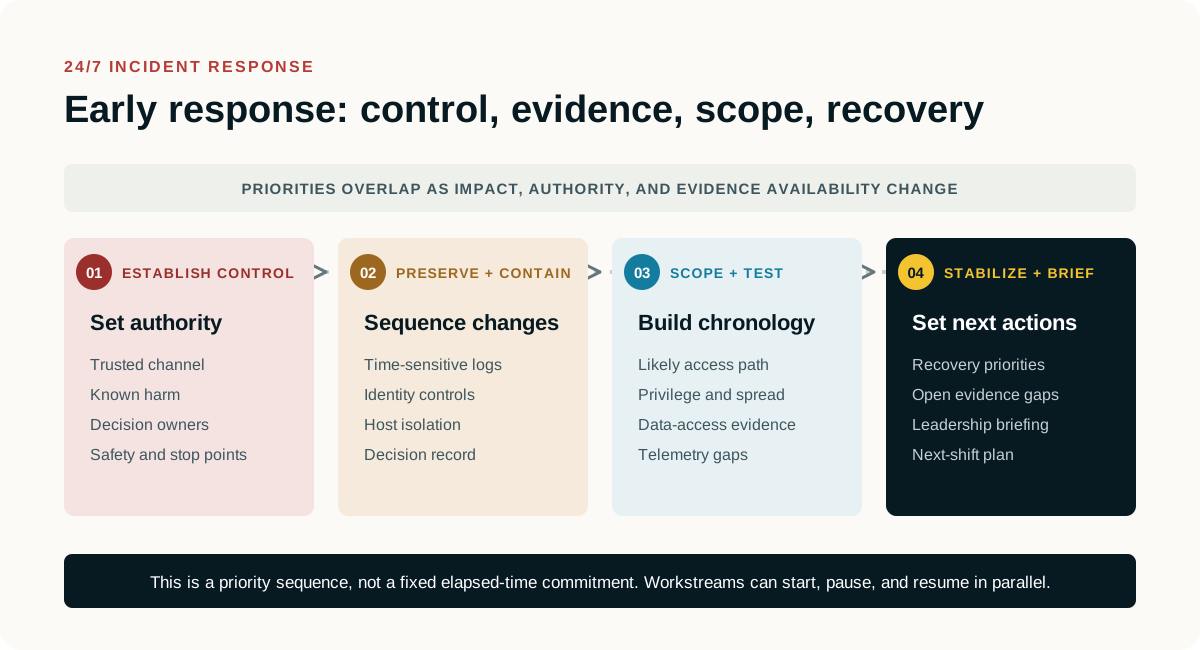
The SHIELD Act changed New York's data-breach and reasonable-safeguard framework. Counsel determines whether an event meets a legal definition and what notice is required. Responders should preserve the facts needed for that decision while containment and recovery are still underway.
Separate system compromise from data access
A compromised account or host establishes risk, not necessarily access to every record the system could reach. Analysts identify the affected identity, privileges, systems, data stores, queries, file events, mailbox activity, transfer methods, staging, exfiltration indicators, and log coverage. The report states where evidence supports access, where it supports acquisition, and where available telemetry cannot distinguish the two.
Build the population carefully
If data was accessed, the team identifies the repositories, record types, fields, affected period, ownership, deduplication method, encryption state, and confidence in the count. Assumptions are listed. A preliminary estimate should not harden into a final population without reconciliation.
- Initial access, persistence, privilege, and activity window
- Affected systems, repositories, backups, and synchronized copies
- Personal-information fields present in the accessed material
- Evidence of viewing, querying, staging, transfer, or deletion
- Known logging gaps and steps taken to validate them
Preserve safeguards and response decisions
Keep the relevant policies, technical controls, risk records, access reviews, vulnerability findings, training evidence, vendor terms, alert history, response chronology, and corrective actions. Those materials should reflect the environment at the time, not a post-event reconstruction. GDF provides technical findings and does not provide legal advice.